schedule a consultation today
Call: 704-792-1277
Contested Vs Uncontested Divorce in North Carolina: What’s the Difference?
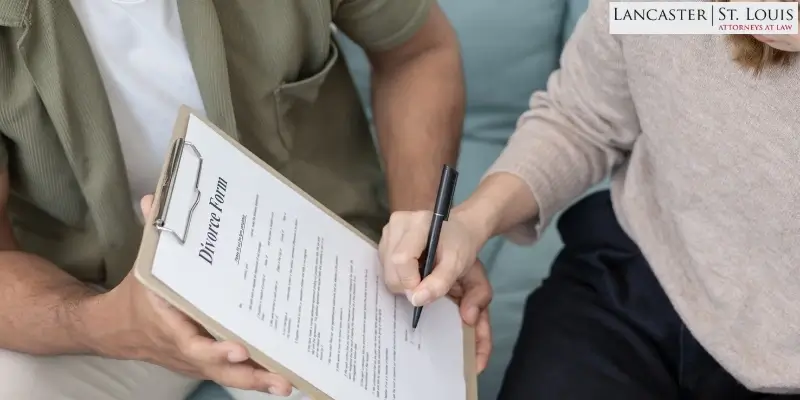
Divorce is a stressful life event, but unfortunately, many couples go through the process. Since every family’s situation is different, the divorce process can vary and depend on many factors. Matters become even more complicated when the terms of the divorce are contested. If you are dealing with a divorce, this guide can help you understand the differences between a contested vs. uncontested divorce in North Carolina.
The Divorce Process in North Carolina
There’s an established process for getting a divorce in the state of North Carolina, where divorce is legally called “absolute divorce,” regardless of how long the couple was married. Note that North Carolina treats opposite-sex marriage, same-sex marriage, and domestic partnership equally, so the process for divorce is also the same, although each kind of relationship may have its own unique concerns.
There are four main steps to the divorce process in North Carolina.
- One partner files a legal form with the Clerk of Court’s Office that includes all elements of the partnership, including property division and spousal support, and officially notifies the other partner. This starts the case.
- The filing spouse must wait until the other spouse is served their papers and can then set a date for the hearing.
- At the hearing, the judge can review the paperwork, ask questions, and determine if additional steps are necessary.
- Once the judge is satisfied with the evidence, they can sign a Judgement of Absolute Divorce.
The process itself is fairly clear-cut. If applicable, the partners have to come to an agreement about how to split property and debts, how to care for children, and if any spousal or child support is warranted. By the time spouses separate, emotions may be high, and it’s common for couples not to agree on some terms of the separation.
Uncontested vs Contested Divorce in North Carolina
An uncontested divorce is when both parties come to an agreement on the major issues. For many couples, this will be division of assets and debt, spousal support, and child custody and support. Uncontested divorces are often resolved quickly, depending on the court’s schedule. Once complete, an uncontested divorce cannot be appealed, but the terms can be modified if circumstances change.
A contested divorce is when spouses cannot agree on one or more major issues. When the partners can’t come to an agreement, the judge will make the final decision. North Carolina is a “no-fault” divorce state, which means that there doesn’t have to be a major transgression to get divorced, even if one party does not want the divorce. Contested divorces often take longer, and the parties may not have as much control over the settlement.
How to Resolve a Contested Divorce
The basic process for a contested divorce is the same as it is for an uncontested divorce. The main difference is that a contested divorce may not be settled through mediation and collaboration. It may require a trial before a judge. North Carolina does not use a jury in family law cases.
When a divorce is contested, the first step is to consult with a compassionate and experienced divorce attorney to make sure your rights are protected in the agreement. Whether your case involves domestic violence, property division, financial support, or child custody, your lawyer can guide you through the process and make sure your voice is heard.
FAQs
What Are the Divorce Requirements in North Carolina?
The divorce requirements in North Carolina are that one or both spouses must live in North Carolina for at least six months and spouses have to be separated for a year and a day before they can file for divorce. Separation means that spouses live in different homes with at least one of them intending for the separation to be permanent. A legal separation agreement is not required.
How Long Does It Take to Get a Divorce in North Carolina?
The divorce process can vary depending on the multitude of circumstances involved. This includes the one-year separation time, the 30-day waiting period after filing the initial paperwork, and the time it takes to schedule the hearing. Uncontested divorces may only take the time allotted to the process, but contested divorces may take significantly longer.
Is Property Always Divided 50/50 in North Carolina?
In North Carolina, there is “marital property,” which was acquired during the marriage; “separate property,” which one spouse owned before the marriage; and “divisible property,” which was acquired during the separation period. Under North Carolina law, marital property must be divided equitably, which means there may be times when dividing property equally may not be fair, such as when one spouse’s income is significantly greater than the other’s.
Who Has to Leave the House in a Divorce in North Carolina?
In most cases in North Carolina, neither spouse can legally force the other to leave the home unless they receive a court order. However, there are some cases when a partner has to leave the marital home. For example, when the courts issue a Domestic Violence Protective Order, the abusive spouse is required to leave the home.
Consult a Divorce Lawyer
Whether a divorce is contested or uncontested, the specific circumstances of the family need to be taken into consideration when reaching a settlement. When there is property, children, or other elements that complicate divorce, it often requires the help of an experienced divorce attorney.
Facing mediators and judges can feel intimidating, especially when the divorce is contested. Lancaster and St. Louis, PLLC represents clients in contested and uncontested divorces throughout the process, including separation agreements, child support, post-separation support, property division, and more.
If you’re facing a divorce and want to learn more about your legal options, contact our office today. With our legal team on your side, you can trust that you are getting the quality legal representation you deserve. We can help you successfully navigate your divorce case and review your legal options. The sooner you engage our team, the better your chances are for a successful outcome.
Contact Lancaster and St. Louis, PLLC

© 2026 Lancaster and St. Louis, PLLC. All rights reserved.
Digital Marketing By